

- ACYU Lenten Spiritual Formation: For the First Time for Armenian Catholic Youth
Holiness Is a Path
This year, for the first time, from March 25 to 29, 2026, a five-day Lenten spiritual formation was organized by the Armenian Catholic Youth Union in the premises of the Armenian Catholic Ordinariate in Yerevan. The program concluded with the celebration of Palm Sunday, which is at the same time World Youth Day for Catholic youth.
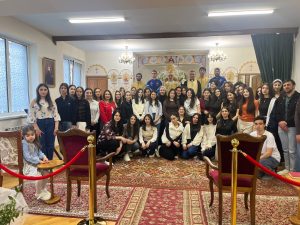
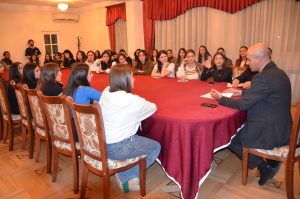
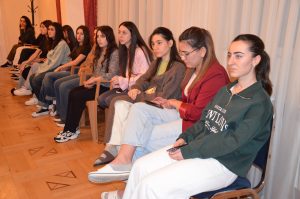
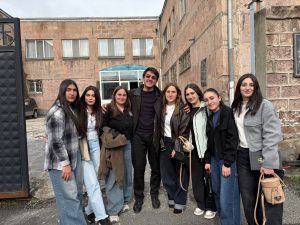
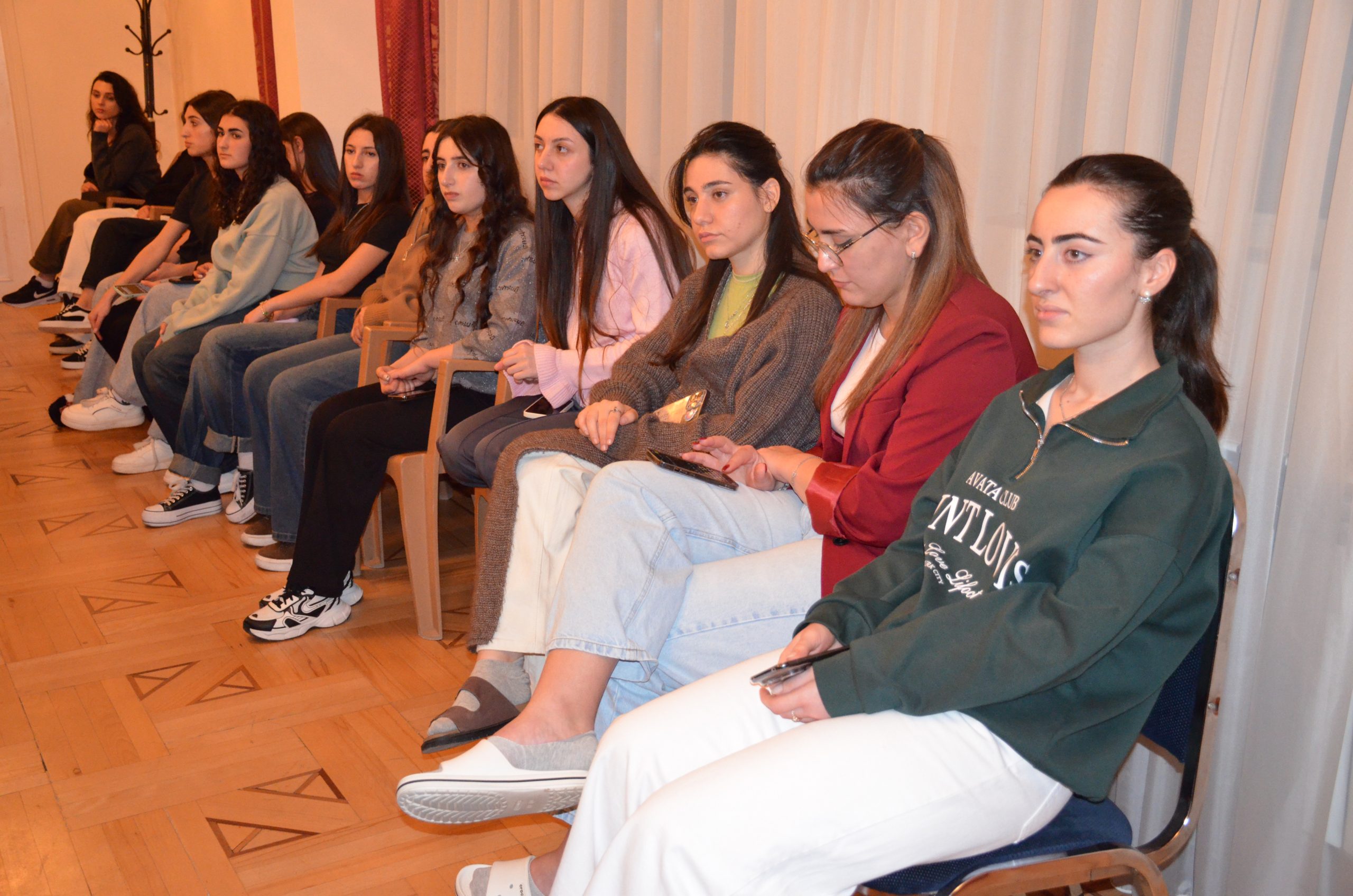
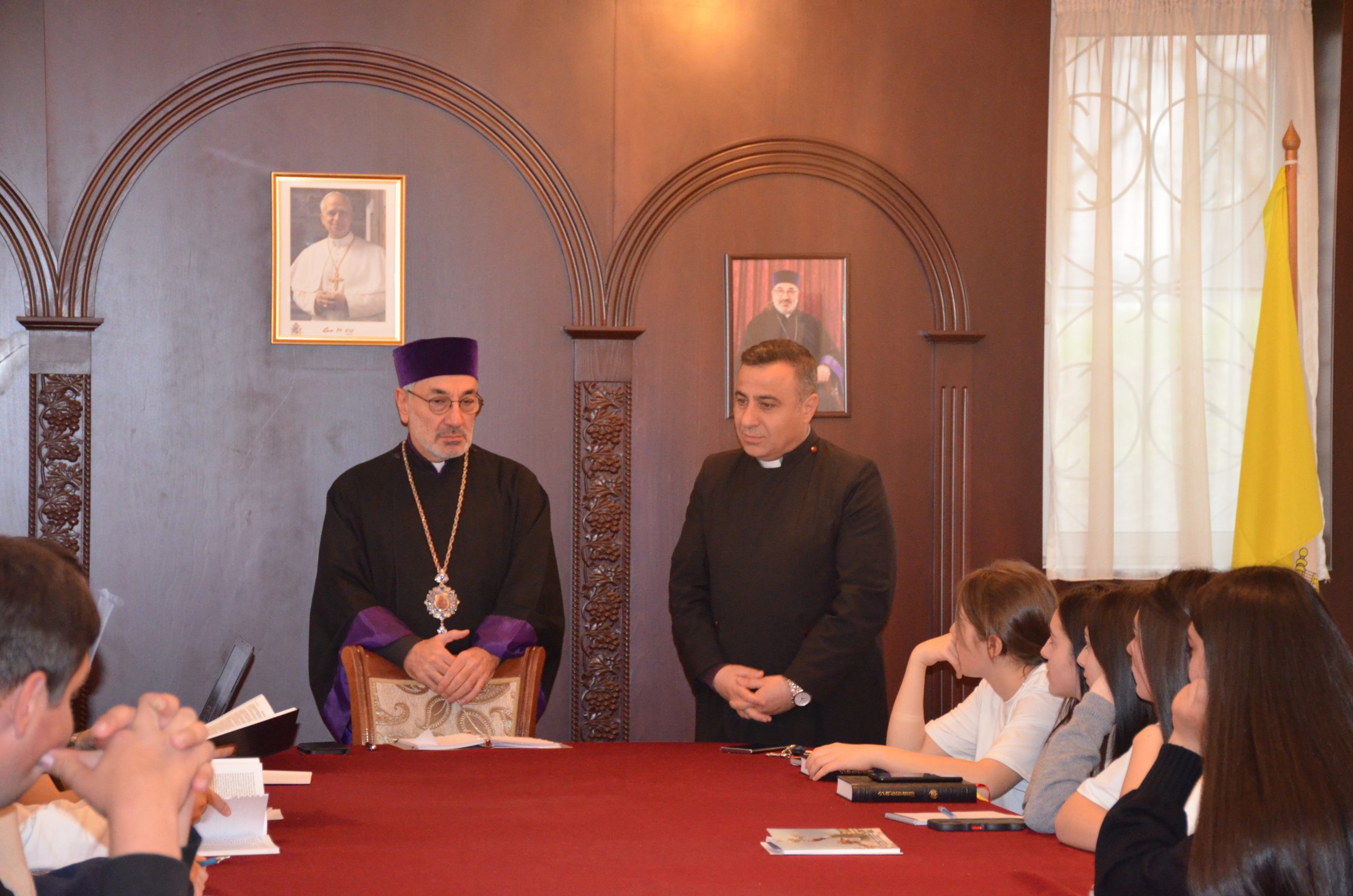
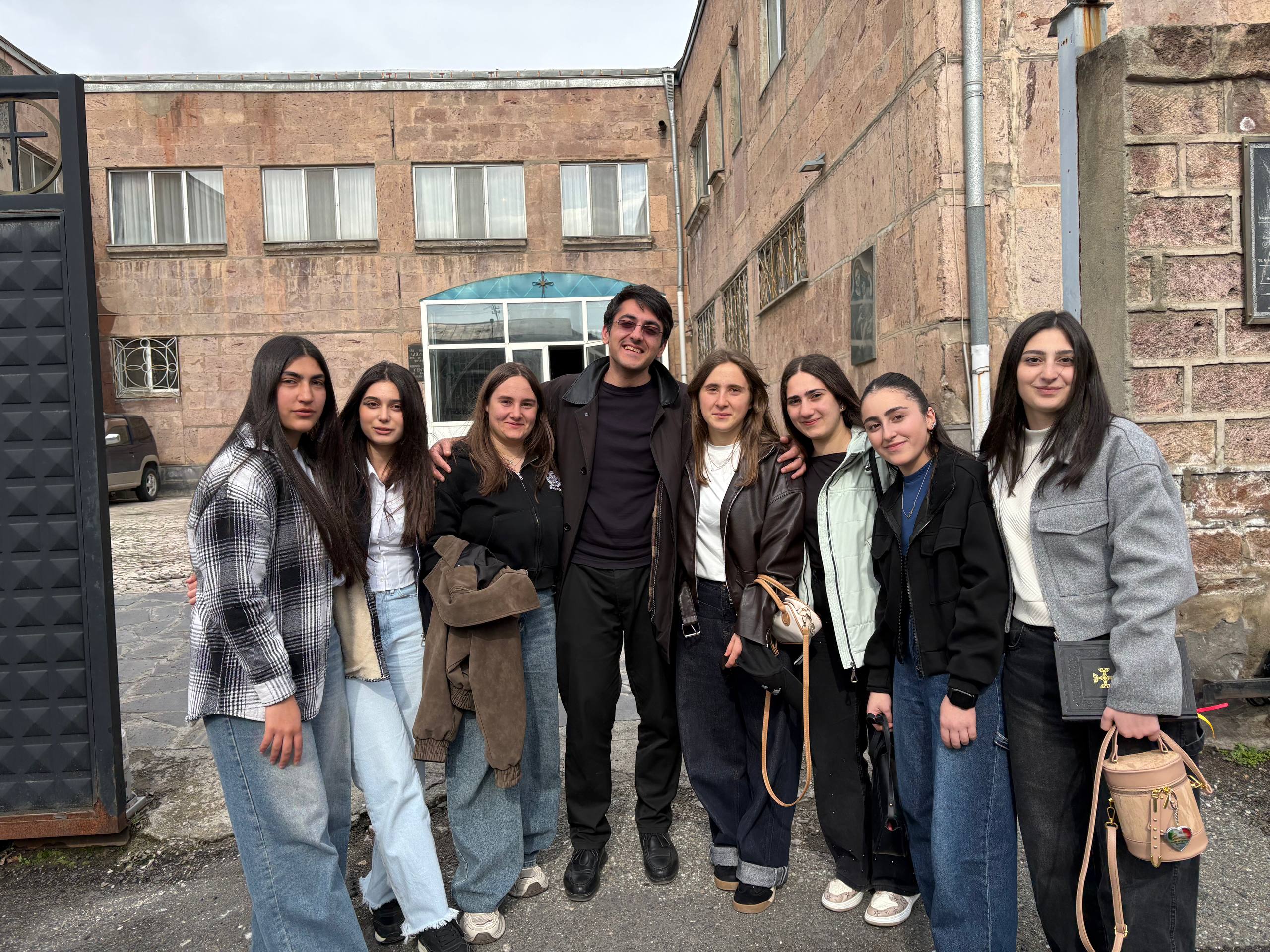
Despite the organizational challenges during working and academic days, we were privileged with a beautiful grace from God, that 62 young people from Armenian Catholic communities of Armenia, Georgia, and Russia were able to participate in it, accompanied by four spiritual fathers, with the blessing and presence of His Grace Archbishop Gevorg Noradounguian.
The overall theme of the formation was: “Holiness in Our Time: Each of Us Is Called to Holiness,” inspired by God’s fundamental call: “Be holy, for I am holy” (Leviticus 11:44).
March 25, Wednesday – Feast of the Annunciation of the Blessed Virgin Mary
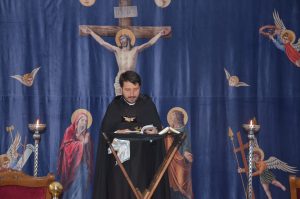
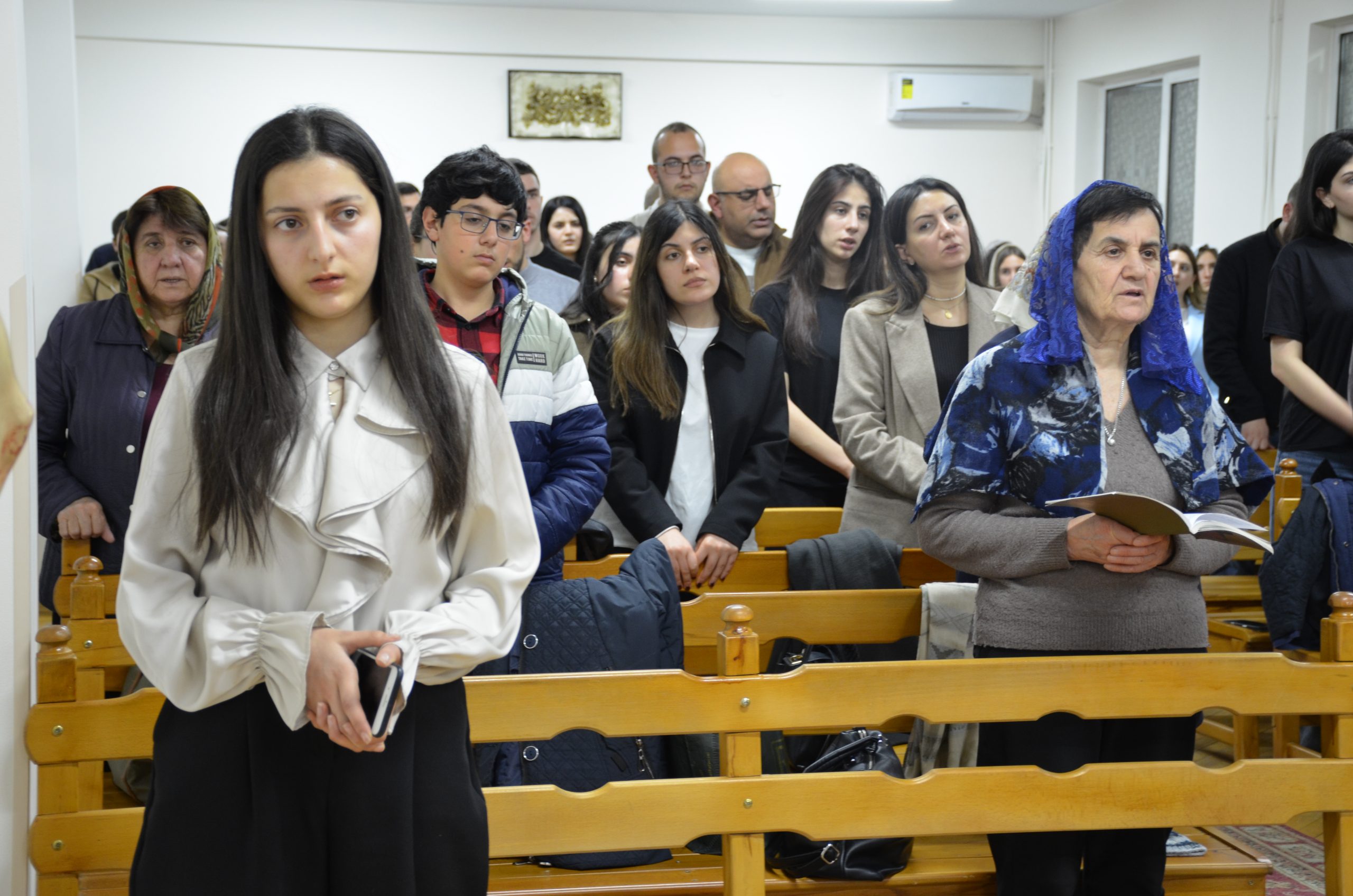
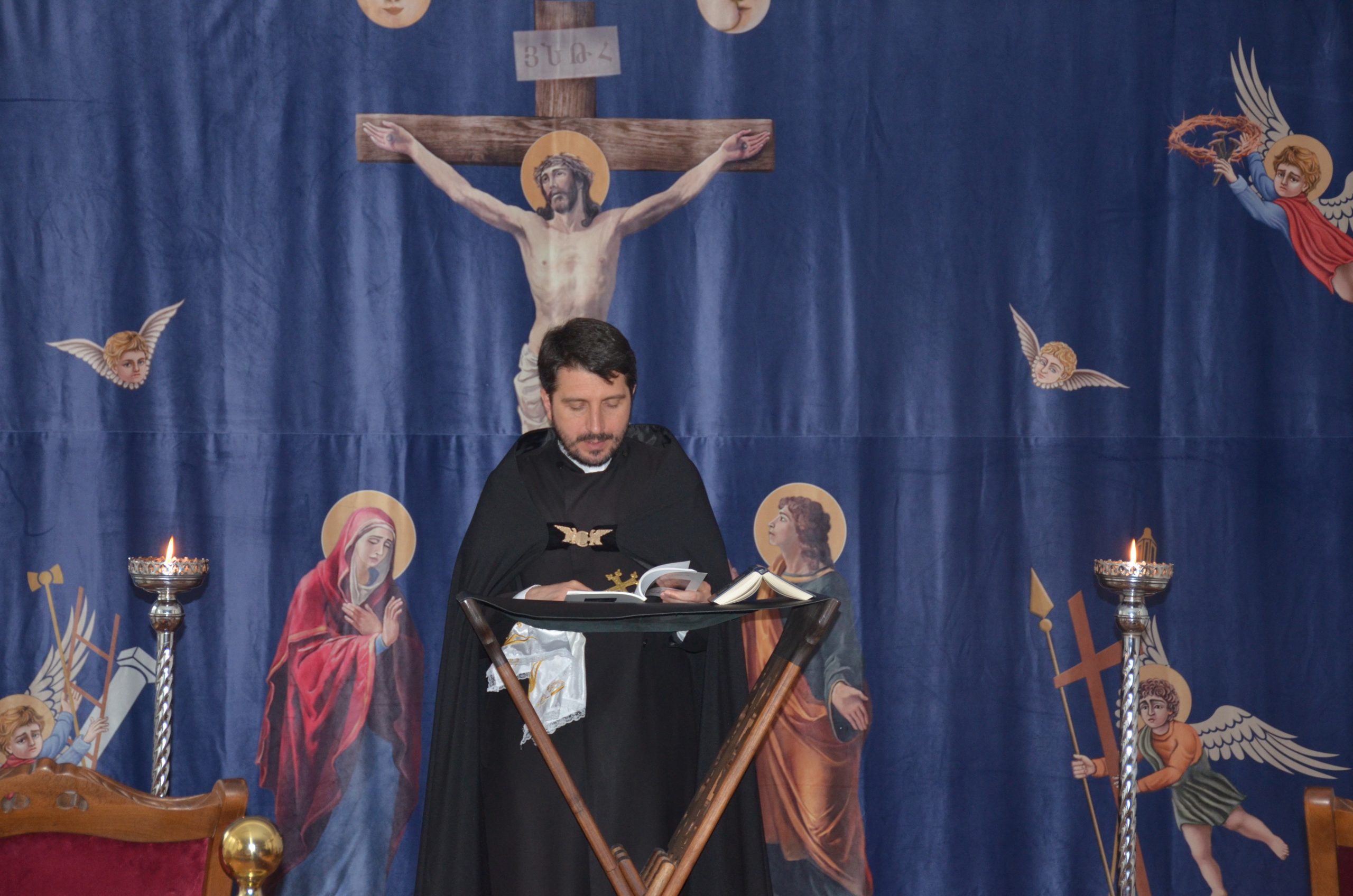
The spiritual formation was symbolically opened with the Holy Mass dedicated to the Feast of the Annunciation of the Blessed Virgin Mary. The Mass was celebrated by the newly appointed Spiritual Director of ACYU, Rev. Fr. Komitas Daveyan, parish priest of Yerevan, concelebrated with Fr. Hovsep Galstyan, who assists in the organizational matters of ACYU.
“This is a meeting not only with one another, but above all with God, who looks at each of us with a loving gaze,” said Fr. Komitas. “Do not be afraid to listen to God’s voice; allow it to touch your hearts. He has something to tell you. Sometimes even a small ray of divine light is enough to clarify your path. Therefore, let us open our hearts with sincerity and freedom during these days of spiritual formation.”
Fr. Komitas entrusted this unprecedented gathering of young people to the maternal care of the Blessed Virgin Mary, so that they may come to know and love God more deeply. He also explained an important truth: as seen in the story of the Annunciation, it is God Himself who first trusts the human person and calls them to have an important role in His plan.
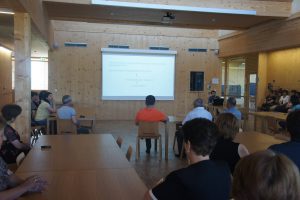
The first lecture, titled “You Are Not an Accident,” was delivered by ACYU member Armen Adamyan, also a member of the Legion of Mary and a long-time devoted member of the Yerevan community, as well as director of the IT company Esterox.
He addressed the following key points:
The human person is created in the image and likeness of God, yet each one uniquely, with a distinct mission and purpose.
God knows us even “before we were formed in the womb” (Jeremiah 1:5).
The primary mission of a Christian is service, following the example of Christ—only through this can holiness be attained.
True freedom is fully realized through serving others.
Daily reading of the Holy Scripture as the foundation of spiritual growth.
The importance of frequent prayer, especially in one’s own words.
Common everyday sins and the virtues necessary for young people.
Following the lecture, Eucharistic Adoration and the Rosary prayer took place.
March 26, Thursday
The second day of the spiritual formation began with Holy Mass celebrated by Fr. Hovsep Galstyan, accompanied by a brief homily. Fr. Anton Antonian received the confessions of the young participants.
The second lecture was presented by Fr. Hovsep Galstyan on the topic: “What Does ‘Holy’ Mean and Can We Be Holy?”, inspired by the Apostolic Exhortation of Pope Francis “Gaudete et Exsultate!”
The aim of the lecture was to explain—through Sacred Scripture, Church documents, and the examples of the saints—that every human person is called to holiness and can indeed become holy, even today, regardless of life circumstances or occupation.
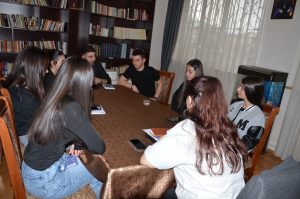
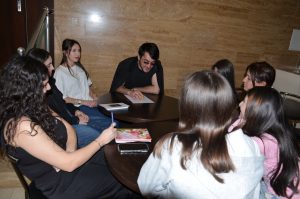
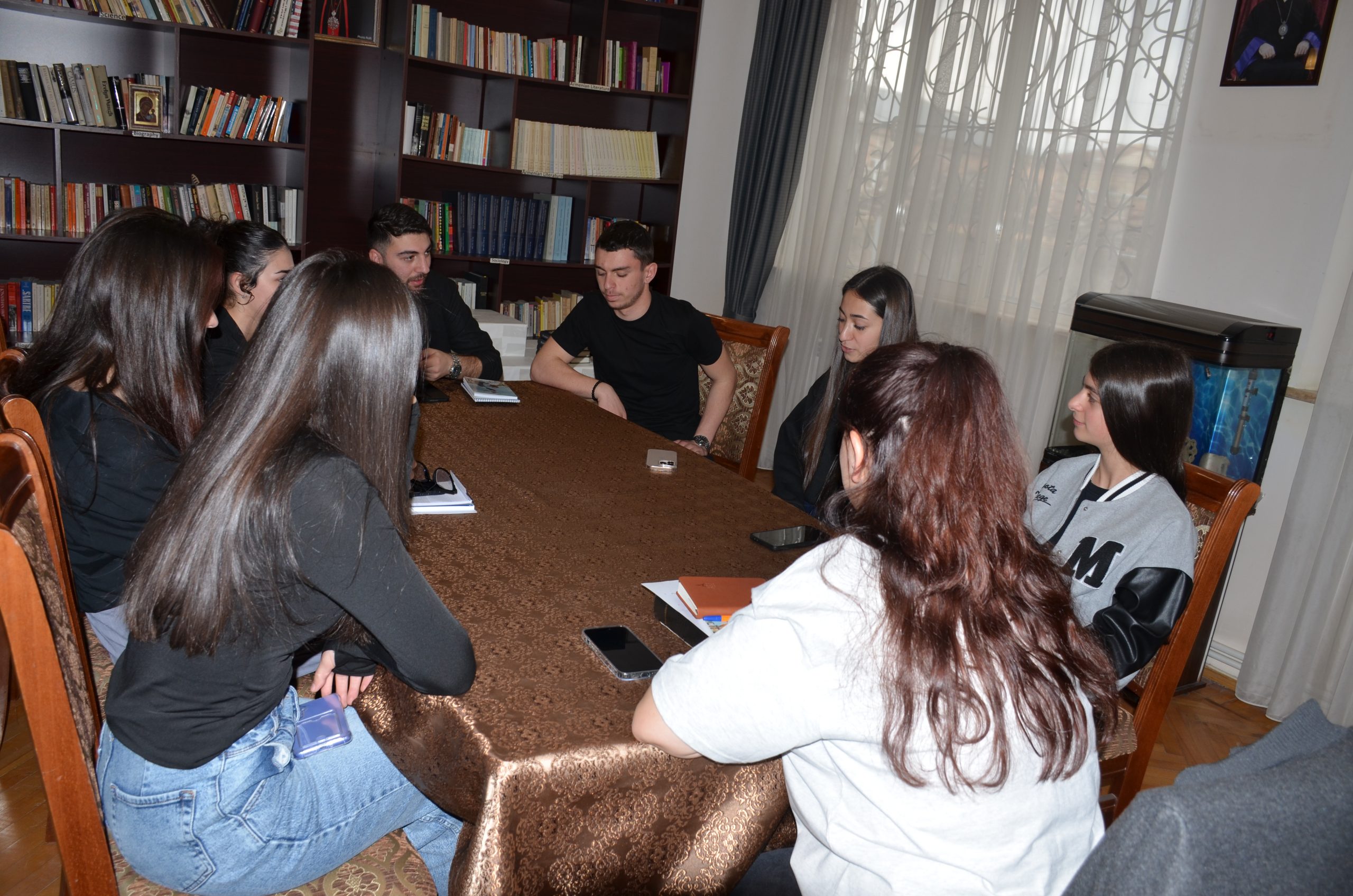
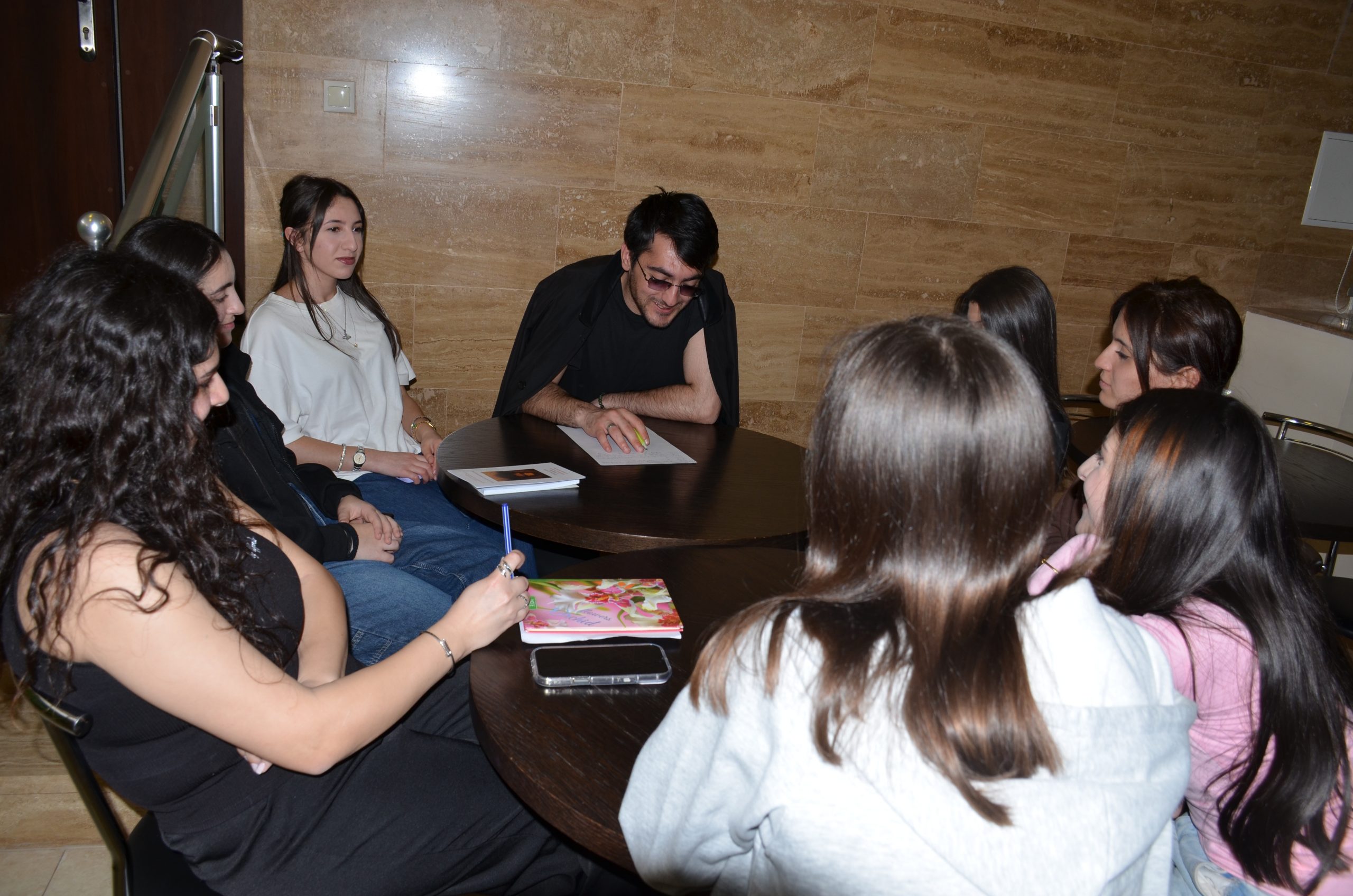
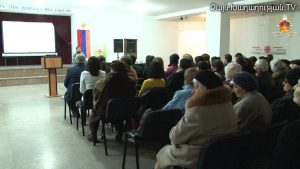
After the one-and-a-half-hour lecture, a group discussion was organized in seven groups, addressing the following questions:
1.What do the words “holy” and “holiness” mean to me?
2.Who are the saints? Were they people like us?
3.Can a person be holy in the 21st century? Who can, and who cannot?
4.Can I be holy?
What prevents me from becoming holy?
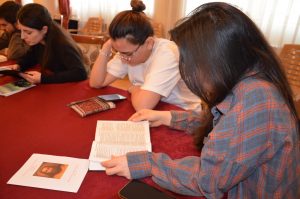
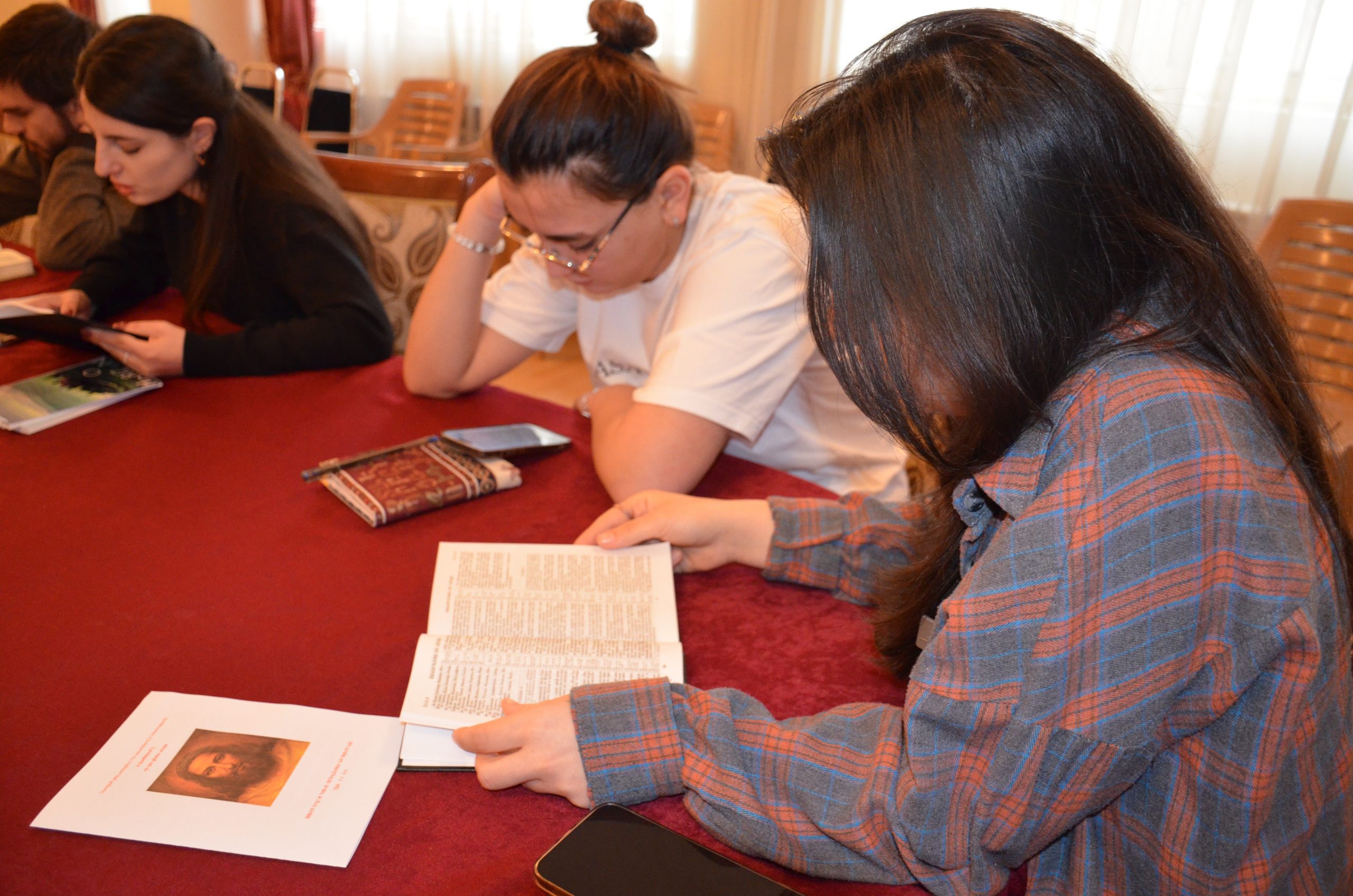
The second half of the day was dedicated to both group and personal study of the Holy Scripture. Participants first reflected together on Luke 5:1–11, where Jesus calls Simon, followed by a personal silent meditation on Luke 19:1–10, the conversion of Zacchaeus, after Eucharistic Adoration and the Rosary prayer.
March 27, Friday
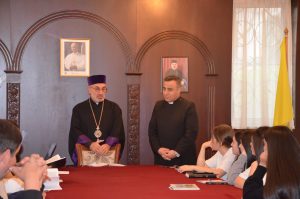
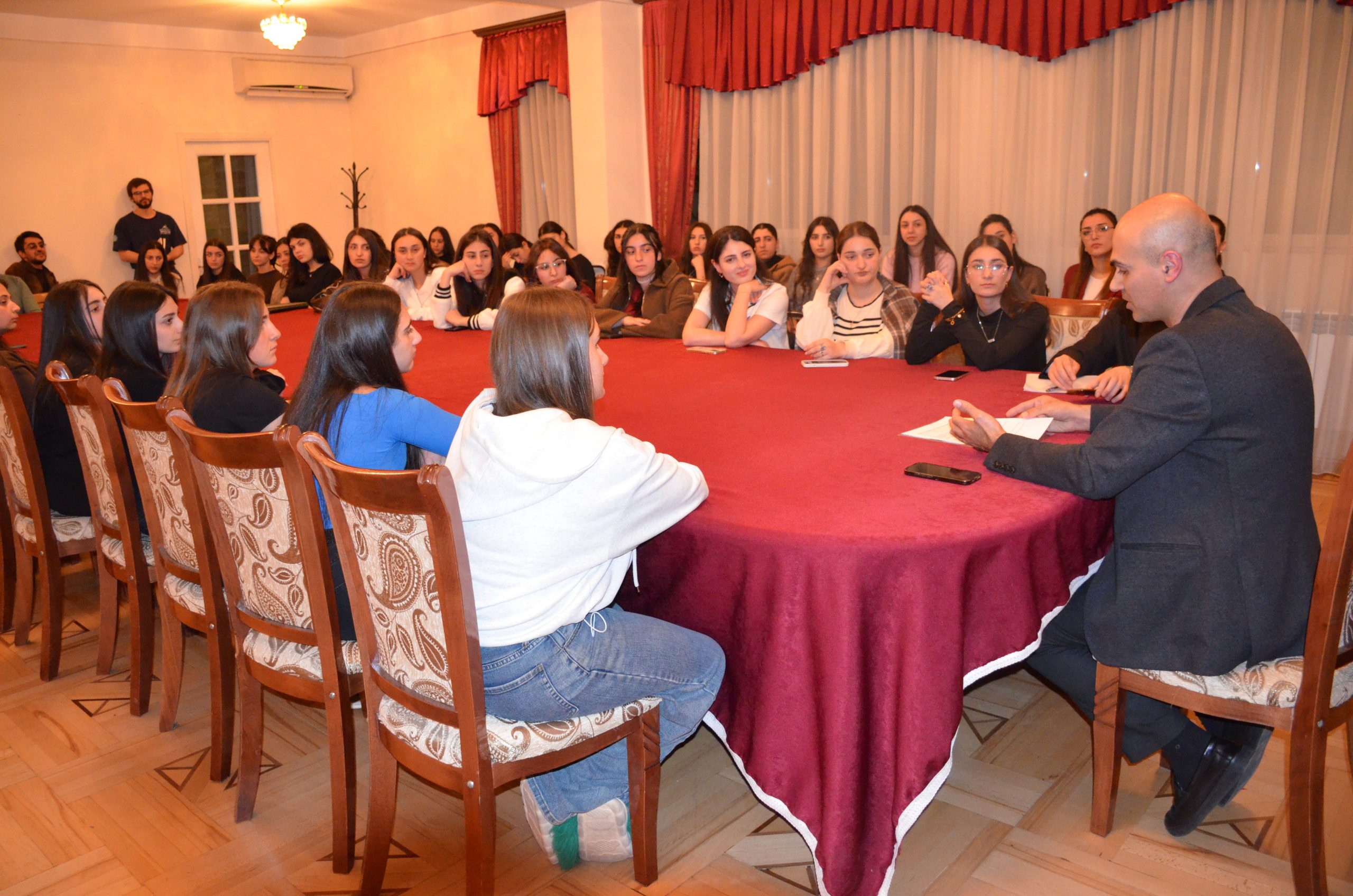
The March 27 lecture was delivered by His Grace Archbishop Gevorg Noradounguian on the topic: “Youth as the Present and Future of the Church’s Holy Mission: Youth Zeal and Dedication to Christ and the Church.”
The Archbishop began by asking how the participants were experiencing this new format of reflecting on Scripture passages. The young people shared their emotional responses while reading certain Gospel episodes. His Grace explained, that such emotions are a grace from God stirring within their souls.
He then spoke about two types of occurrences in human life: incidents, which do not leave a deep inner impact, and events, which can leave a profound imlications for one’s inner world. Events may be either positive or negative. For example, reading Sacred Scripture had become a deeply positive spiritual event for the participants. However, there are also negative events—for instance, the information presented through artificial intelligence and the internet may gradually expose individuals to influential content that can negatively affect behavior and thinking.
In this context, he raised an important question: how can one discern and orient oneself within the vast technological possibilities offered by the modern world? All of this, he emphasized, also affects our path to holiness.
The tools of the contemporary world often hinder the development of genuine spiritual experience, leading to religious practices becoming empty of inner meaning. He encouraged the distinction between superficial religiosity and a deeply lived spiritual life, calling the youth to become truly spiritual, consciously and authentically living their faith.
“Our hope is in you—as the hope of the Church. You are the ones who must bring change to your communities. Your parents and grandparents are not to blame for being distant from the Church today; they were persecuted during the communist era for their faith and are, in a sense, living saints. Their path to holiness passed through persecution, whereas your path passes through the temptations of today’s world. If one of you becomes interested in spiritual life and motivates another—and then several others—that is your holiness. It is through the spiritual messages of the events in your life that you can influence others. Your spiritual experiences—such as those during pilgrimages and formations—are what can impact your peers and your community,” said the Archbishop.
Additional pastoral exhortations:
Prayer and silence: one must learn to be silent in prayer so that God may speak in the heart.
It is necessary to dwell on each Scriptural passage, word, and expression, as they contain truths beyond time and space.
Have a clear plan for one’s actions in life.
Maintain complete trust in God: God will never abandon me.
Always remain joyful: a sad Christian gives a counter-witness to Christianity.
Think in this way: I am a part of the Church; therefore, one person’s behavior influences all.
Undertake a meaningful mission for the good of the Church.
The sum of all these is holiness.
Holiness is a path.
After the lecture, participants once again gathered in groups to discuss:
1.The difference between external religiosity and genuine spiritual experience.
2.The distinction between an incident and an event in a spiritual context.
3.What more can we do for our community and the Church?
4.Concerning phenomena within communities.
For group reflection, John 15:26–27 was selected, while Luke 10:1–20 (the sending of the seventy-two disciples) was assigned for personal meditation.
In the evening, the Stations of the Cross devotion took place under the guidance of Fr. Hovsep Galstyan, based on the meditations of Saint Josemaría Escrivá.
After the prayer, the youth welcomed Monsignor Hugues de Woillemont, General Director of the French organization L’Œuvre d’Orient, along with its representatives in Armenia, Luc and Blandine Bourron, who expressed their joy in learning about this unique youth gathering.
March 28, Saturday
The morning Holy Mass was celebrated by Very Rev. Fr. Nerses Galstyan, Senior Priest of Armenia.
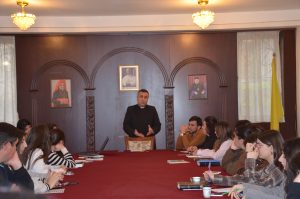
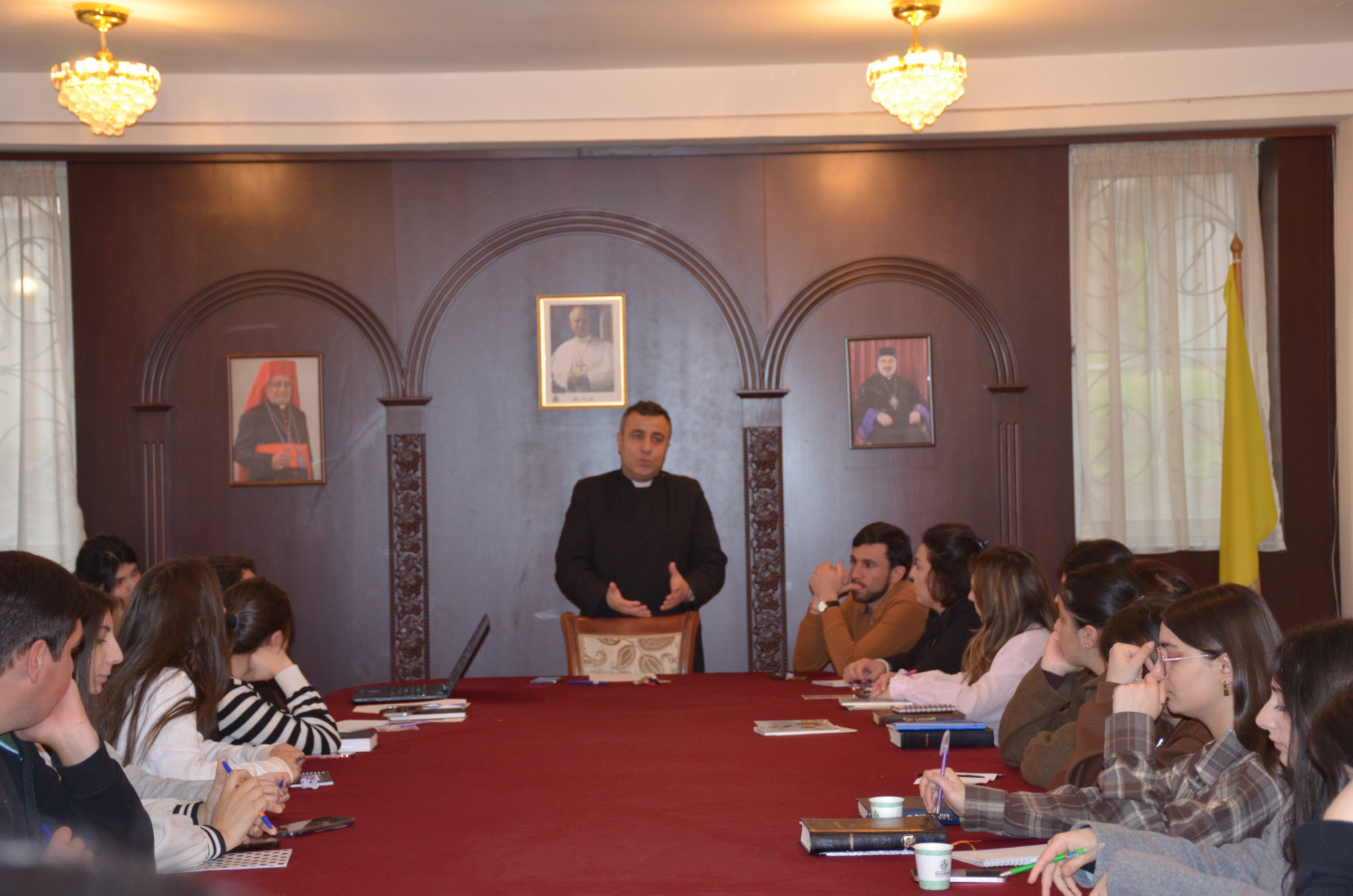
The fourth lecture, titled “Daily Holiness: How to Live a Life Pleasing to God,” was presented by Fr. Komitas Daveyan, inviting reflection on the following:
Human loneliness is not acceptable to God. The first thing described as “not good” in Genesis is Adam’s loneliness; thus, human relationships and communication are essential for a fulfilled life and for holiness.
Often we wish Jesus would intervene in human affairs to prevent wrongdoing, yet God has granted us freedom. While preferring that God not override this freedom, we still need His help in our relationships.
“This is the will of God: your sanctification” (1 Thessalonians 4:3); therefore, holiness is a mission for each of us.
We may engage in many activities, but the most important is holiness.
Holiness consists in fulfilling our fundamental duties properly.
Spiritual life is a path of continual struggle, with rises and falls; one must always be guided by God.
Holiness develops within human relationships.
Each person’s path to holiness is unique, shaped by individual life circumstances. As Mother Teresa said, holiness is doing small things with great love.
Saint Paul writes to Timothy: “Let no one despise your youth” (1 Timothy 4:12). You are not only the future—you are also the present, and essential for the spiritual vitality of the Church.
Holiness as the art of love — in ten steps:
Love everyone.
Love personally—Jesus called each by name.
Love others as yourself.
Take the first step in love, as Christ first loved us.
Share in others’ experiences and emotions.
To love means to serve.
To love means to forgive.
To love also means to ask for forgiveness.
To love means to see Christ in others.
To love means self-sacrifice, following Christ’s example.
Fr. Komitas concluded with a prayer by Michel Quoist:
“May our life, with all its imperfections, be like a flute in God’s hands, through which He can play something beautiful for humanity.”Participants then discussed in groups:
1.What does it mean to love in daily life?
2.How can human relationships become a path to holiness?
3.Is difference a richness?
4.Can I see the image of God in others?
For group discussion, Matthew 25:31–46 (the Last Judgment) was selected.
In the evening, a liturgical service marked the end of Lent, symbolized by the opening of the curtain. Fr. Nerses Galstyan proclaimed the Gospel of the Raising of Lazarus and preached on it, emphasizing that Jesus’ tears reflect His compassion for all humanity bound by sin and death. By raising Lazarus, Christ calls everyone out of spiritual death, saying personally: “Come out!” The Church, he noted, continues this mission of liberation.
ACYU meeting
That same evening, a meeting of the ACYU Administrative Council was held with all participants. It was chaired by ACYU President Nairi Hajyan, under the guidance of Fr. Komitas and Fr. Hovsep.
Reports included:
Launch of the ACYU website.
Redesign of the official logo.
Monthly online and in-person council meetings.
Expansion of youth-led volunteer activities across communities.
Particular emphasis was placed on the vibrant youth life in Yerevan, where many Armenian Catholic students are concentrated, forming a core group for leadership.
Participants shared reflections:
“I began to love Jesus more.”
“For the first time, I approached Scripture differently.”
“I truly lived a spiritual life during these days.”
“I formed new friendships.”
“We had diverse interpretations but were united in purpose.”
Upcoming initiatives:
- Summer camp in Tashir (August 4–7, 2026)
- Spiritual formation days in Tsaghkadzor (October 5–9, 2026)
- World Youth Day (July–August 2027, Seoul, South Korea)
A nine-member committee was formed to prepare for World Youth Day.
March 29 – Palm Sunday and World Youth Day
The festive Holy Mass was celebrated by Archbishop Gevorg Noradounguian.
In his homily, he said:
“These days were a beautiful experience of communion. Our newly founded Armenian Catholic Youth Union is already growing and bearing fruit. You have become one heart and one soul, building bridges between communities.”
He encouraged the youth to share their spiritual experiences with others and to remember that they are bearers of hope and the hope of the Church.
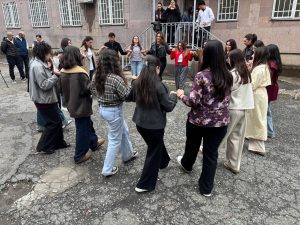
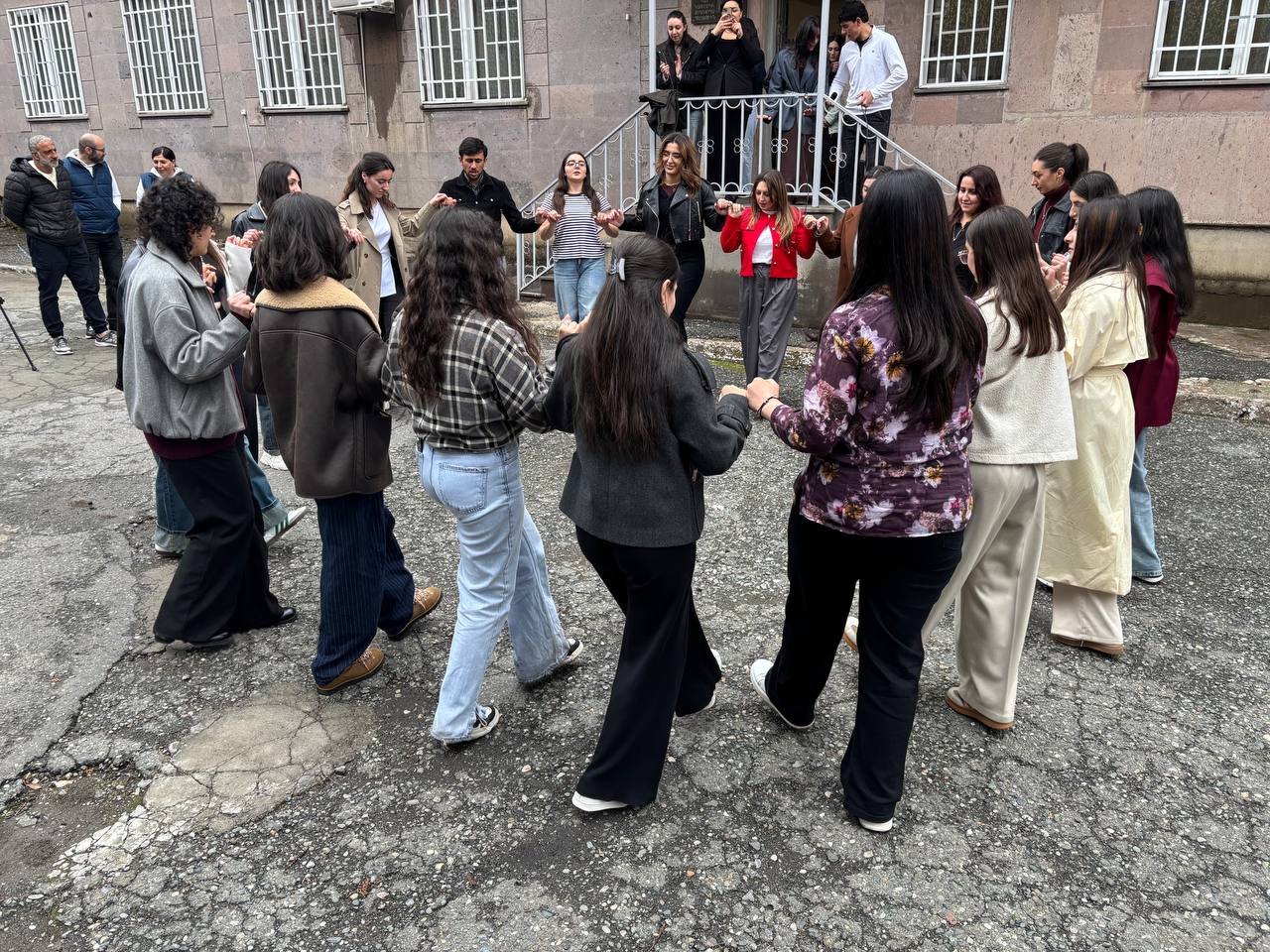
The celebration concluded with joyful festivities—songs, dances, shared testimonies, and an emotional farewell, filled with anticipation for future gatherings.
Fr. Hovsep Galstyan
Chancery of the Armenian Catholic Ordinariate
March 31, 2026Translated by Katya Hakopyan
 Founding General Assembly of the Armenian Catholic Youth Union
 Trainings for Ministrants of Holy Liturgy
 A Cross Stone Dedicated to the Heroes of Artsakh War Was Anointed in Mets Sepasar
 Days of Retreat. Holy Eucharist is the Missionary Pivot of the Legion of Mary
 Another Cradle of Charity and Ministry: Inauguration of Diramayr Hayastani Youth Center
 His Excellency Kevork Archbishop Noradounguian served a Holy Mass in St. Nshan church in Bavra
Օրացույց